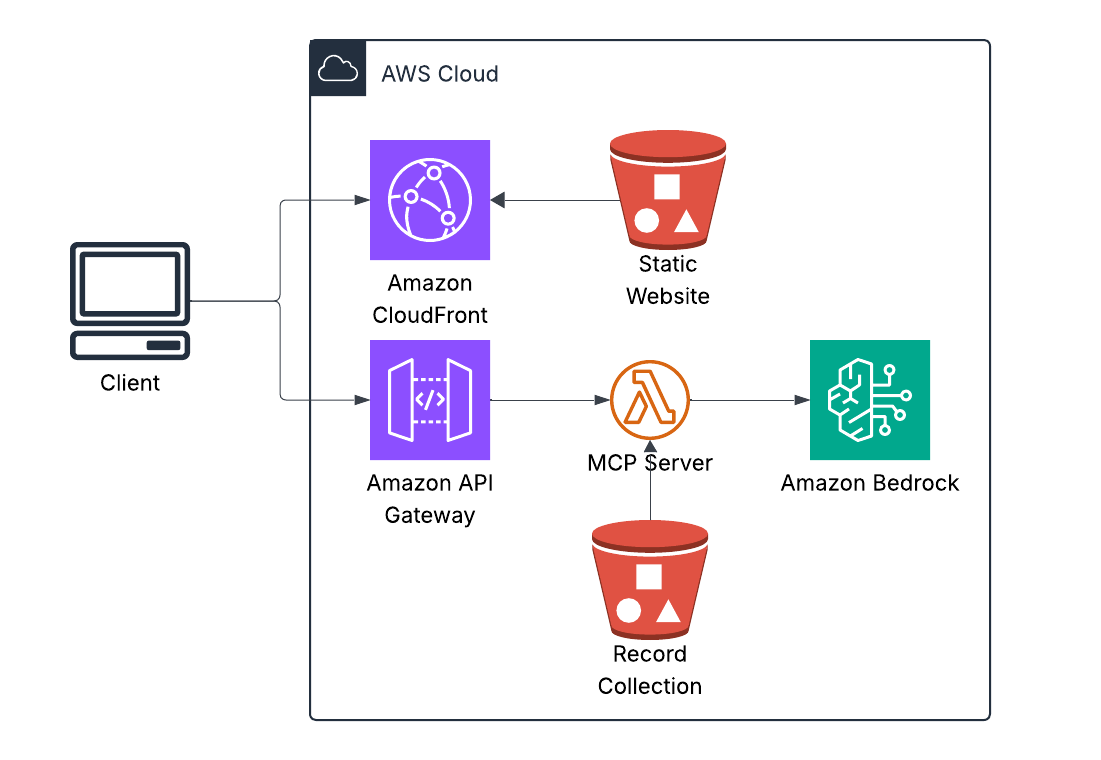
Architecture Diagram: FastMCP Vinyl Collection Chatbot on AWS

FastMCP and the Vinyl Collection Chatbot: Serverless Agentic AI in Action

What is the Model Context Protocol? The Model Context Protocol (MCP) is an open standard for connecting AI agents to external systems. Think of it as a universal adapter that lets any AI agent talk to any tool or data source without custom integration code. Anthropic announced MCP in November 2024 and donated it to the Linux Foundation’s Agentic AI Foundation a month later. The adoption has been swift: OpenAI integrated it into ChatGPT, Google DeepMind uses it for Gemini agents, AWS built AgentCore around it, and development tools like Zed, Sourcegraph, Replit, and Codeium all support it. In just a few months, the community has built thousands of MCP servers. The protocol has become the de-facto standard for agent-to-tool communication. ...
January 24, 2026 · 21 min · Luke Little
Your AI Security Engineer: Inside AWS Security Agent

Your AI Security Engineer: Inside AWS Security Agent

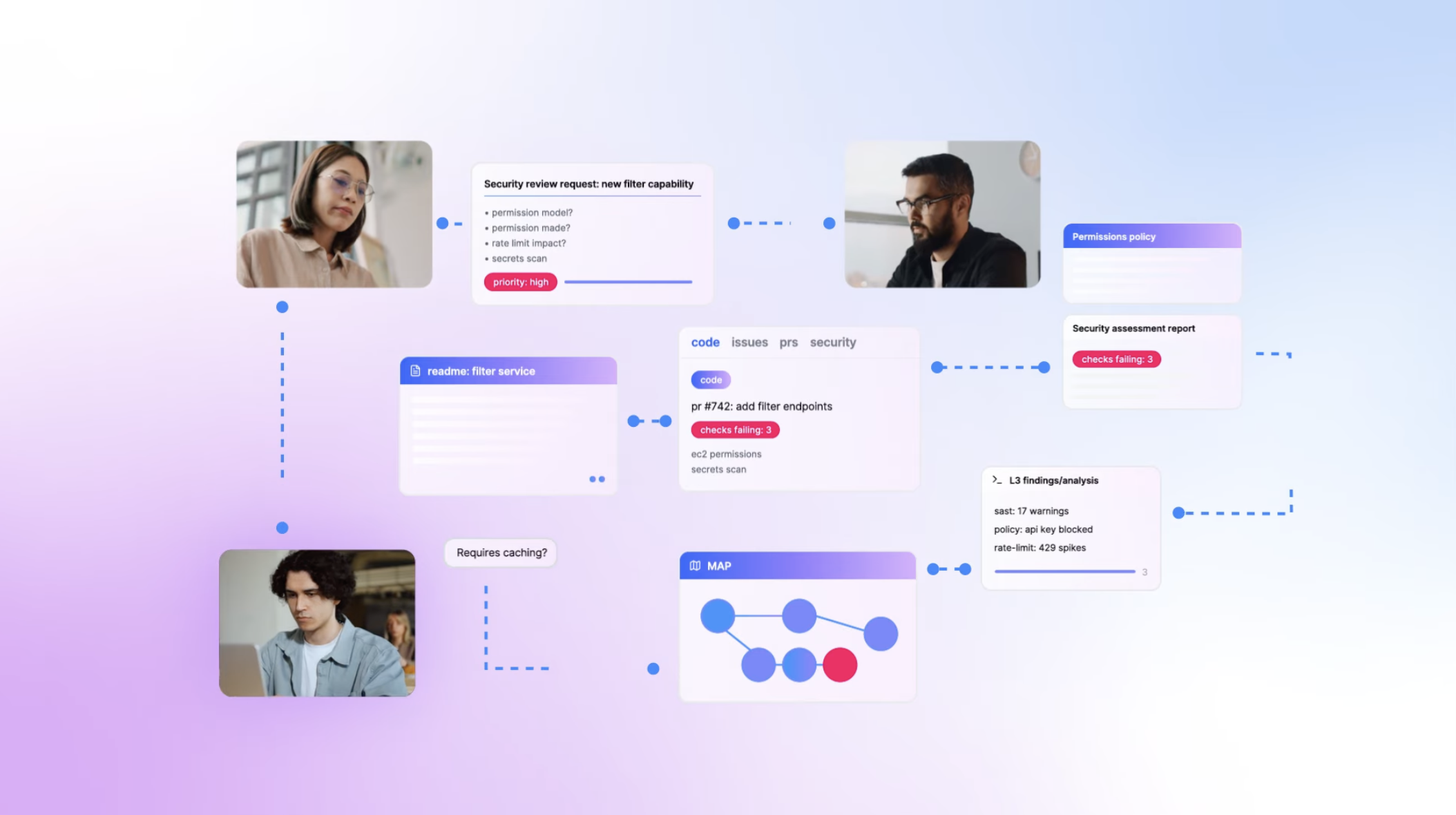
Here’s what should make every security leader uncomfortable: organizations routinely deploy vulnerable code to production to meet delivery deadlines. Not because they don’t care about security. Because security can’t keep up. Over 60% of organizations update their web applications weekly or more frequently. Nearly 75% test those applications for security monthly or less. The math doesn’t work. The gap between development velocity and security validation grows wider every sprint. At re:Invent 2024, AWS CEO Matt Garman announced AWS Security Agent—not as another security scanning tool to add to the pile, but as a fundamentally different approach to the problem. ...

January 23, 2026 · 8 min · Luke Little
Enhancing Security: Adding AWS Cognito Authentication to Your Serverless App

Enhancing Security: Adding AWS Cognito Authentication to Your Serverless App

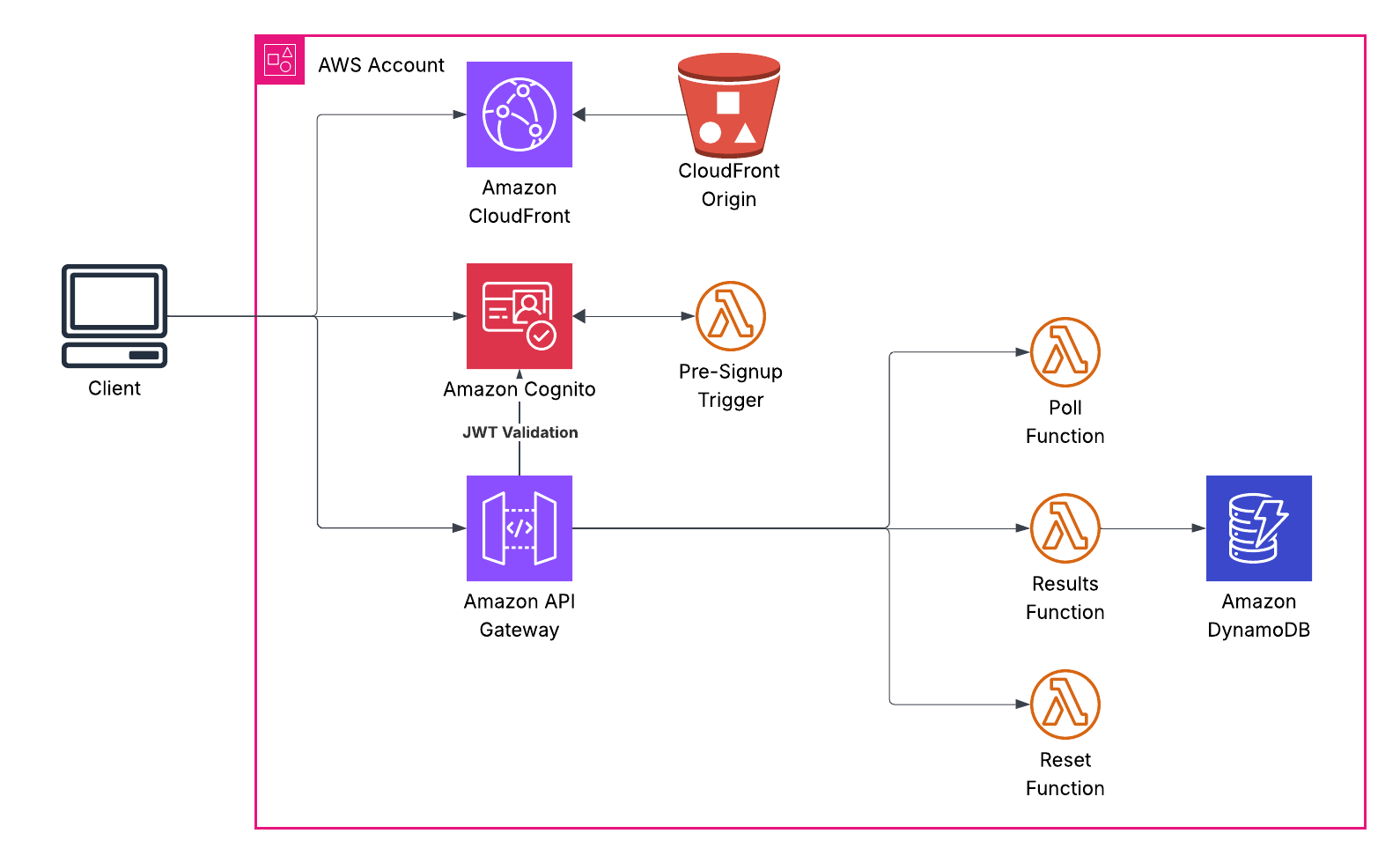
Enhancing Security: Adding AWS Cognito Authentication to Your Serverless App Our serverless survey application is a great example of a modern cloud native application. It’s fast, scalable, and cost-effective. But it’s missing one critical feature: user authentication. In this post, we’ll walk through how to add robust, secure authentication using AWS Cognito. Why Add Authentication? Right now, anyone can vote, and anyone can reset the entire survey. In a real-world application, we need to control access. Authentication allows us to: ...

January 22, 2026 · 12 min · Luke Little
15 Hours of Terraform in 3: Building with AWS Kiro

15 Hours of Terraform in 3: Building with AWS Kiro

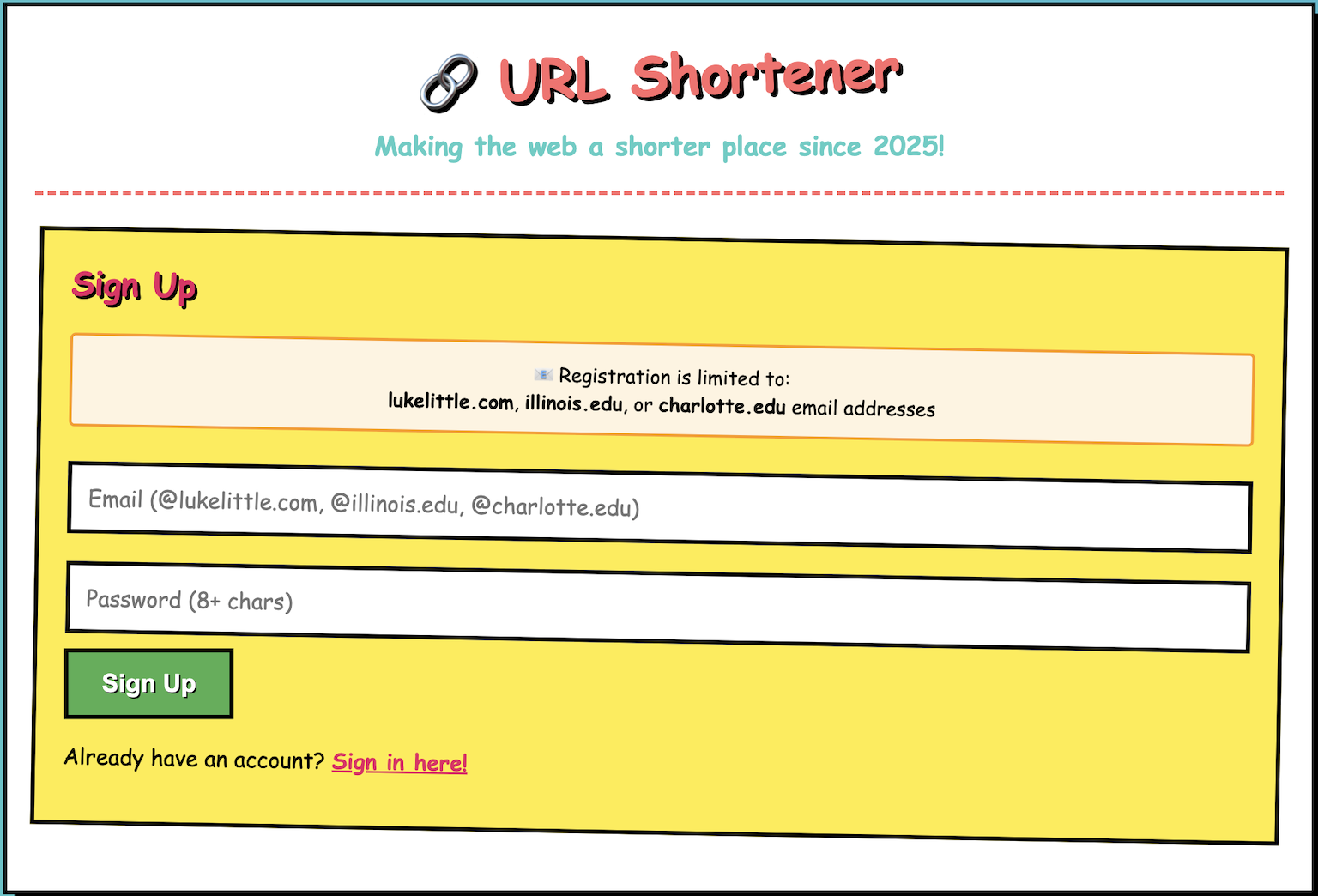
At an AWS Road Show this fall, Darko Mesaros demoed a URL shortener he’d built in Rust called krtk.rs. Something about watching a clean, fast URL shortener just work stuck with me. I’ve built a few of these for demos since then, but I wanted to try something different this time: build one in Python with a retro 90s vibe, and let Kiro handle most of the heavy lifting. Kiro is one of AWS’s three frontier agents announced at re:Invent 2024—autonomous AI systems that maintain context and work independently for hours. While DevOps Agent handles incident response and Security Agent conducts penetration testing, Kiro is your AI developer that takes specifications and generates production-ready code. ...

January 20, 2026 · 7 min · Luke Little
Surviving DNS Failures with Multi-Region DynamoDB

What October 20 Taught Me About DynamoDB (and What It Didn't)

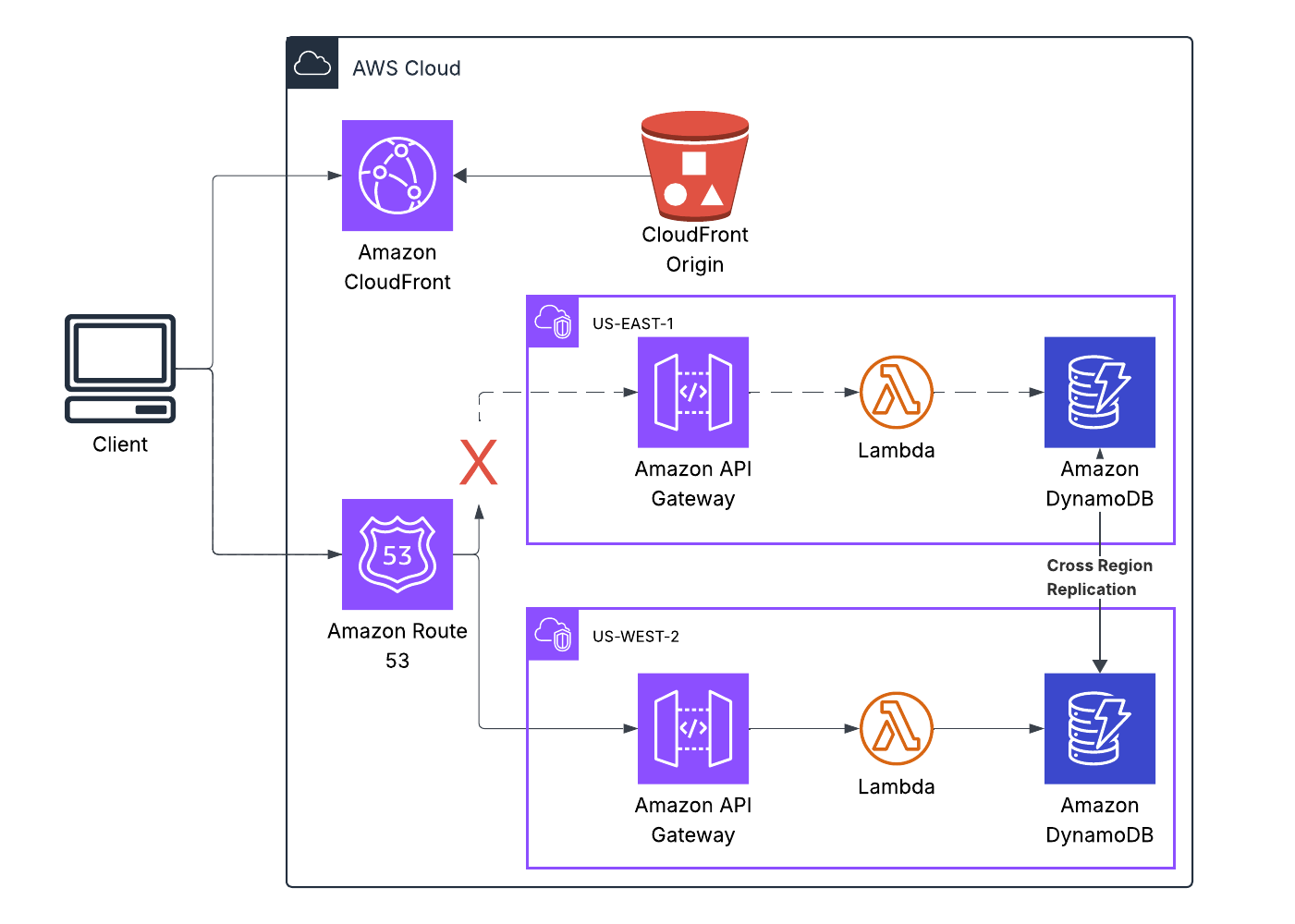
On October 20, 2025, DNS resolution failed in AWS us-east-1, and with it, a lot of DynamoDB applications went down. Not because DynamoDB itself failed. The service was running. Data was there. Capacity was fine. But applications couldn’t reach it because DNS queries for dynamodb.us-east-1.amazonaws.com stopped resolving correctly. If you’ve ever wondered what happens when the infrastructure layer beneath your supposedly resilient database becomes unreachable—October 20 was the answer. And it wasn’t pretty. ...

January 18, 2026 · 12 min · Luke Little
Data Pour Season 4 Episode 5 with Nimish Donde

Data Pour with Nimish Donde: Resiliency, Data Gravity, and Building Cloud Platforms That Scale

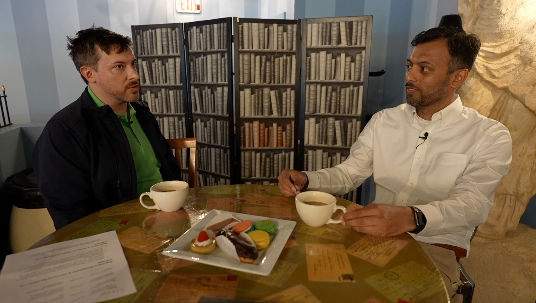
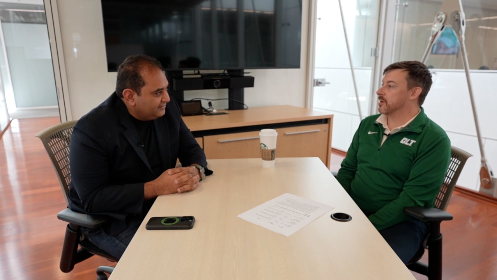
For this episode of Data Pour, I sat down with Nimish Donde—Head of Cloud Platform and Security Engineering at Truist—at Amélie’s French bakery in Charlotte. It’s a place that’s been part of the city’s fabric since 2008, growing from a single 24-hour location in NoDa (that I used to frequent during college) to four locations across Charlotte. Like this bakery, Charlotte’s tech scene has grown and evolved—and Nimish has been part of that transformation for the past 16 years. ...

January 16, 2026 · 7 min · Luke Little
Your AI On-Call Engineer: Inside AWS DevOps Agent

Your AI On-Call Engineer: Inside AWS DevOps Agent

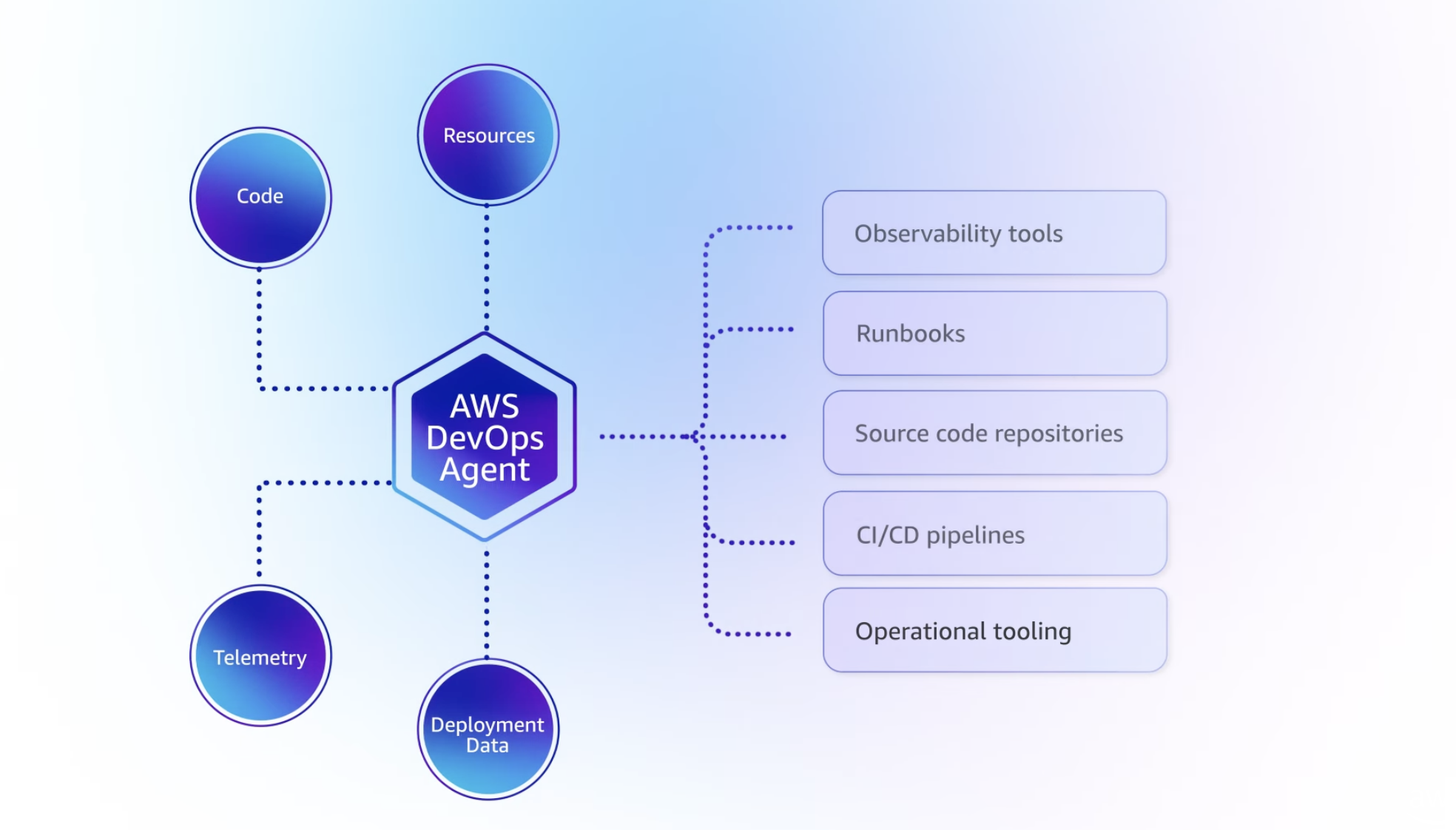
At re:Invent 2024, AWS CEO Matt Garman announced something that made me stop and actually pay attention during a keynote—which doesn’t happen often. He introduced frontier agents: AI systems that don’t just help you write code or answer questions. They work autonomously for hours or days, maintaining context, investigating problems, and making decisions without you holding their hand. Three agents got announced: Kiro - your AI developer AWS Security Agent - your AI security engineer AWS DevOps Agent - your AI operations engineer This isn’t another coding assistant that autocompletes your Lambda functions. This is AWS betting that AI agents can handle the kind of multi-hour incident investigations that currently wake up humans at 2 AM. ...

January 12, 2026 · 8 min · Luke Little
Data Pour Season 4 Episode 4 with Dr. Mohamed Shehab

Data Pour with Dr. Mohamed Shehab: Build, Build, Build

For this episode, I visited the PORTAL building at UNC Charlotte to sit down with Dr. Mohamed Shehab—a professor whose mobile development course keeps showing up in conversations with students as one of the most impactful experiences of their degree. I’ve heard it repeatedly from students I’ve hired: “Dr. Shehab’s course changed how I think about building software.” When you hear that kind of feedback consistently, you have to ask what he’s doing differently. ...

January 9, 2026 · 5 min · Luke Little